



In recent years, the way we work has changed significantly. The digitalization of business processes, hybrid work models, increasing attention to cybersecurity, and the need for real-time collaboration have transformed offices into increasingly connected and technology-driven environments.
In 2026, simply having computers and a working internet connection is no longer enough. Companies that want to maintain high levels of productivity, security, and efficiency need tools and infrastructures that meet modern business requirements.
Let’s explore the technologies that every modern office should consider.
Reliable and High-Performance Network Infrastructure
The company network is the foundation of all digital activities.
Computers, printers, mobile devices, business software, and cloud services all depend on a stable and fast connection. A modern network should be designed to support a growing number of devices while ensuring business continuity even during peak usage periods.
Investing in an efficient network helps reduce slowdowns, improve collaboration, and increase overall productivity.
Cloud Solutions for Greater Flexibility
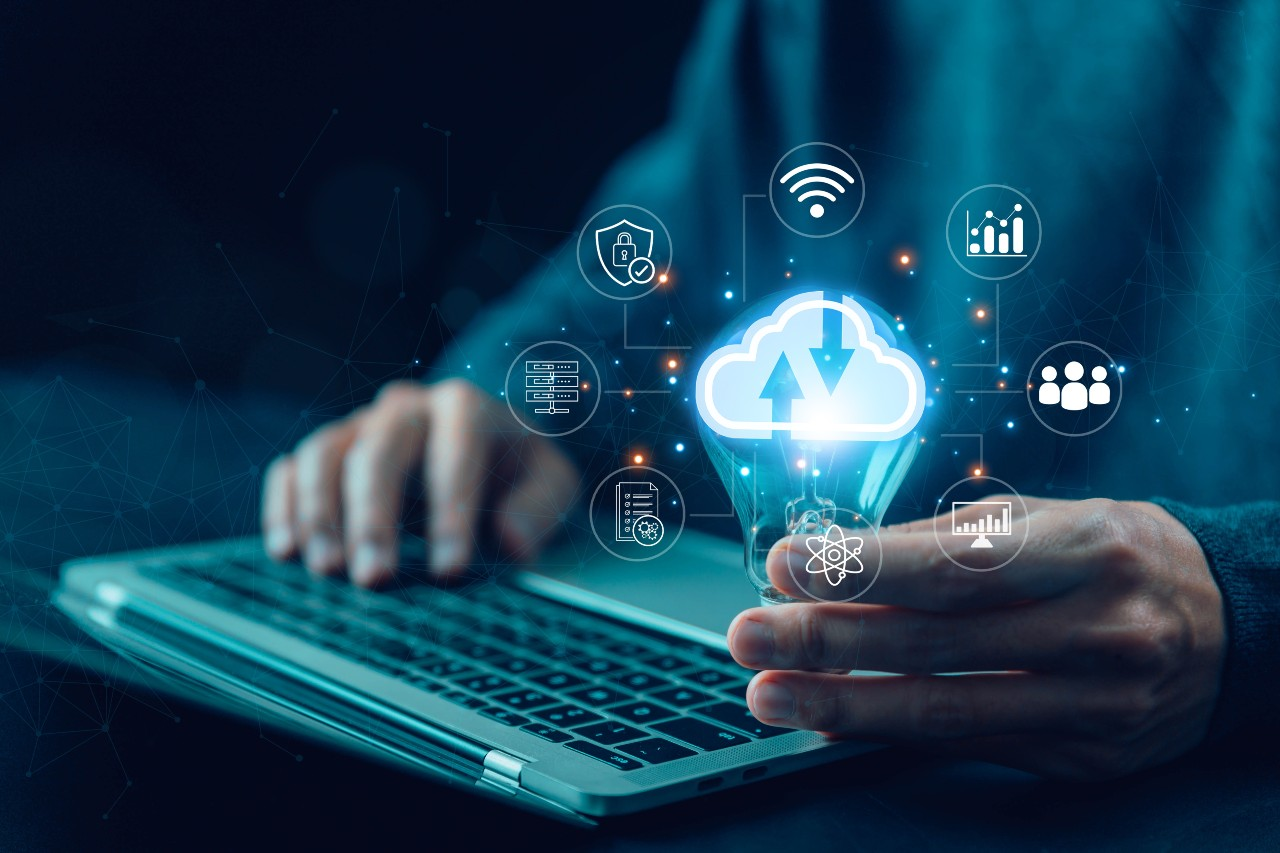
Cloud platforms have become essential tools for many businesses.
They allow employees to access documents, applications, and data from anywhere, encouraging collaboration and simplifying information management.
Key benefits include:
- remote accessibility
- easier data sharing
- greater operational flexibility
- continuous service updates
Cloud solutions also make it easier to scale resources according to business needs.
Backup and Data Protection Systems
Data loss can cause serious operational and financial damage.
For this reason, every modern office should have reliable backup systems capable of protecting documents, databases, and business information from hardware failures, human errors, or cyberattacks.
A proper backup strategy is one of the most important elements in ensuring business continuity.
Advanced Cybersecurity Solutions
As digital threats continue to grow, cybersecurity has become a top priority.
Companies must protect data, devices, and user access through appropriate security measures designed to reduce the risk of attacks and data breaches.
An effective security strategy includes:
- endpoint protection
- access control systems
- activity monitoring
- regular system updates
Cybersecurity is no longer optional—it is a necessity.
Integrated Business Management Software
Effective information management is a key factor in business competitiveness.
Modern management software helps centralize data and processes, improving collaboration between departments while reducing manual tasks and duplicate work.
Integration between different business tools provides a more complete view of operations and supports faster, better-informed decision-making.
Digital Collaboration Tools
Even when employees work from the same location, digital collaboration has become essential.
Platforms designed for communication, document sharing, and project management help organizations:
- improve team coordination
- reduce response times
- keep information up to date
- encourage collaborative work
These tools are especially important for businesses that adopt flexible or hybrid working models.
Resource Virtualization
Virtualization remains one of the most valuable technologies for companies looking to optimize their IT infrastructure.
It enables more efficient use of servers and hardware resources while improving flexibility, scalability, and system management.
In many cases, virtualization also helps reduce operational costs and infrastructure complexity.
Monitoring and Centralized Management
In 2026, managing IT infrastructure requires greater visibility and control than ever before.
Monitoring tools make it possible to continuously track the status of networks, servers, and devices, identifying anomalies before they become critical issues.
This approach enables proactive management rather than reacting only when failures occur.
Technologies for Hybrid Work
More and more businesses are adopting work models that combine office-based and remote activities.
To effectively support this approach, companies need:
- secure access to business systems
- online collaboration tools
- centralized device management
- efficient remote support
The goal is to provide the same work experience regardless of where employees are located.
Business Process Automation
Automation is one of the greatest opportunities for improving operational efficiency.
Many repetitive tasks can be handled automatically, allowing employees to focus on strategic and higher-value activities.
Automation also helps reduce errors and improve overall process quality.
Conclusion
In 2026, a modern office is not defined simply by the presence of technology, but by the ability to integrate it effectively into business processes.
High-performance networks, cloud solutions, cybersecurity, management software, virtualization, and collaboration tools are all essential components for creating an efficient, secure, and future-ready workplace.
Investing in the right technologies means creating the conditions for sustainable growth, improving productivity, and making the business more competitive in an increasingly digital market.